

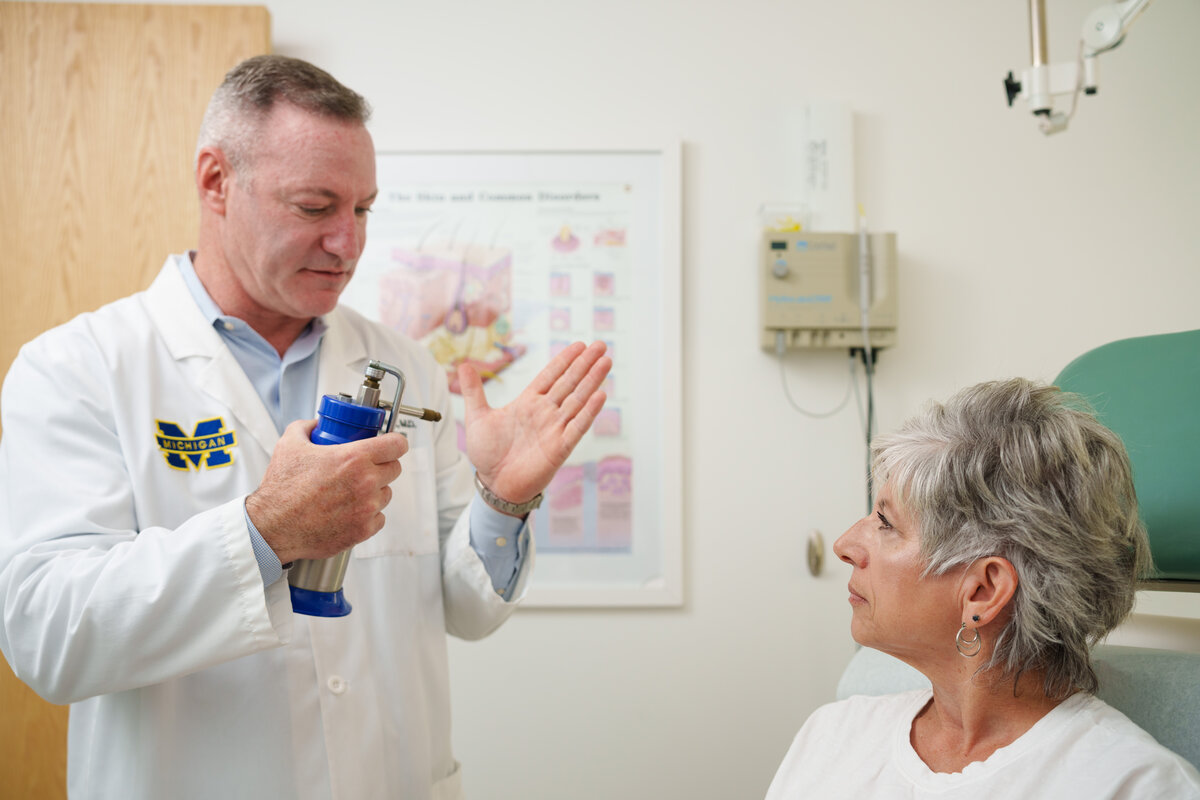
Understanding Common Skin Conditions
Many people experience skin conditions at some point in their lives. Understanding these conditions can help you recognize symptoms early and know when to seek professional dermatological care.
Acne
Acne is one of the most common skin conditions, affecting people of all ages. While often associated with teenagers, adult acne is increasingly common.
What Causes Acne?
- Excess oil production in the skin's sebaceous glands
- Clogged hair follicles from oil and dead skin cells
- Bacteria particularly Propionibacterium acnes
- Hormonal changes during puberty, pregnancy, or menstrual cycles
Treatment Options
Treatment depends on the severity and type of acne:
- Mild cases may respond to over-the-counter products
- Moderate to severe acne often requires prescription medications
- Professional treatments like chemical peels or laser therapy
- Consistent skincare routine tailored to your skin type
Eczema (Atopic Dermatitis)
Eczema causes dry, itchy, and inflamed skin. It often appears in childhood but can persist or develop in adults.
Common Symptoms
- Red or brownish-gray patches
- Intense itching, especially at night
- Small, raised bumps that may leak fluid
- Thickened, cracked, or scaly skin
Management Strategies
- Moisturize regularly with fragrance-free products
- Identify and avoid triggers such as certain soaps or fabrics
- Use prescribed medications as directed by your dermatologist
- Maintain a consistent skincare routine to strengthen the skin barrier
Psoriasis
Psoriasis is a chronic autoimmune condition that causes rapid skin cell turnover, leading to thick, scaly patches.
Types of Psoriasis
- Plaque psoriasis - the most common form with raised, red patches
- Guttate psoriasis - small, dot-like lesions
- Inverse psoriasis - smooth, red patches in body folds
- Pustular psoriasis - white pustules surrounded by red skin
Treatment Approaches
Your dermatologist may recommend:
- Topical treatments for mild cases
- Light therapy (phototherapy)
- Systemic medications for moderate to severe cases
- Lifestyle modifications to manage triggers
Rosacea
Rosacea causes facial redness and visible blood vessels, sometimes with acne-like breakouts.
Common Triggers
- Sun exposure
- Hot or cold weather extremes
- Spicy foods or hot beverages
- Stress and strong emotions
- Certain skincare products
Managing Rosacea
- Gentle skincare routine with products for sensitive skin
- Daily sun protection with mineral sunscreen
- Avoiding known triggers
- Medical treatments as prescribed
When to See a Dermatologist
Schedule an appointment if you experience:
- Persistent symptoms lasting more than a few weeks
- Skin conditions affecting your daily life or self-esteem
- Signs of infection, such as increased warmth, swelling, or pus
- Sudden changes in existing moles or skin lesions
- Severe itching, pain, or discomfort
The Importance of Professional Diagnosis
While general information can be helpful, every person's skin is unique. What works for one person may not work for another. A board-certified dermatologist can:
- Provide an accurate diagnosis through examination
- Create personalized treatment plans
- Monitor progress and adjust treatments as needed
- Identify underlying conditions that may affect your skin
Remember, this information is educational and cannot replace professional medical evaluation. If you're concerned about any skin condition, please schedule an appointment for proper diagnosis and treatment.
Important Medical Disclaimer
This article is for educational purposes only and not a substitute for professional medical advice. The information provided should not be used for diagnosis or treatment of any medical condition. Please consult with a qualified healthcare provider for personalized medical advice and treatment options specific to your situation.
Dr. Joseph Stutz
Board-Certified Dermatologist
Expert in professional services with years of industry experience, passionate about sharing insights and helping customers make informed decisions.
Related Articles
Simple, practical advice for maintaining healthy skin through proper cleansing, moisturizing, and sun protection routines.

A guide to preparing for your dermatology appointment, what happens during the visit, and how to make the most of your time with the dermatologist.