

Summer Sun Protection Tips From a Board-Certified Dermatologist
Summer in Michigan often means more time outside, from lake days and sports to walks, gardening, and family activities. It also means more ultraviolet exposure, which can increase the risk of sunburn, skin cancer, and premature skin aging. The American Academy of Dermatology recommends protecting your skin with a combination of shade, sun-protective clothing, and sunscreen, because no single measure provides complete protection on its own.
Why Sun Protection Matters
Ultraviolet radiation from the sun can damage the skin even on days that do not feel especially hot. Over time, repeated sun exposure contributes to fine lines, dark spots, and uneven skin texture, and more importantly, it raises the risk of skin cancer. The AAD states that sun protection helps reduce the risk of developing skin cancer, sunburn, and premature skin aging.
A Simple Daily Sun Protection Routine
A practical routine usually includes:
- Seeking shade when possible
- Wearing protective clothing, a wide-brimmed hat, and UV-protective sunglasses
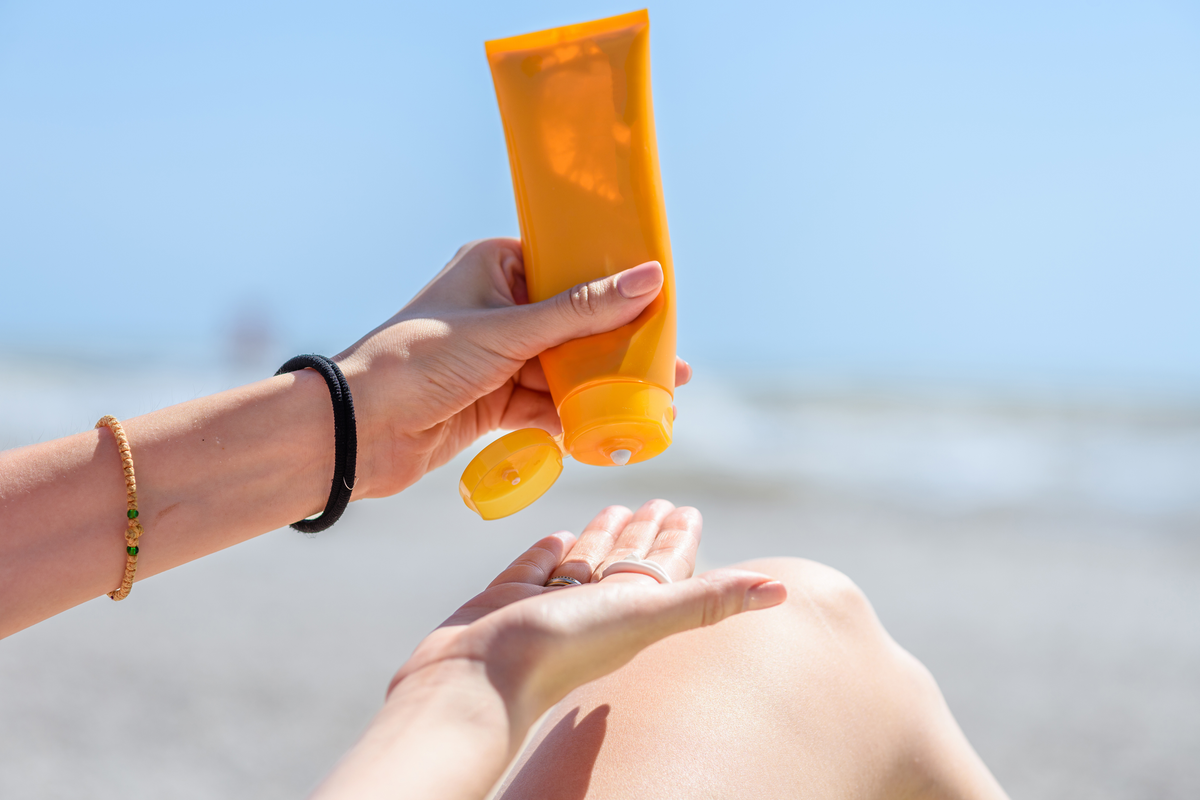
- Applying a broad-spectrum, water-resistant sunscreen with SPF 30 or higher
- Reapplying sunscreen as directed, especially after swimming or sweating
- Avoiding tanning beds
The AAD also notes that water, sand, and snow can reflect damaging rays, which means sun protection matters even more around reflective surfaces.
Common Sunscreen Mistakes
One of the biggest problems with sunscreen is simply not applying enough. Spray sunscreens can also be uneven if they are not applied generously and rubbed in. Patients sometimes assume sunscreen is only needed at the beach, but everyday outdoor exposure adds up over time. Sunscreen should be part of your regular routine, not just something you use on vacation.
Does Everyone Need Sun Protection?
Yes. Skin cancer can affect people of every skin tone. While risk levels and typical presentations can vary, everyone benefits from protecting their skin and paying attention to changing spots. The AAD’s skin cancer resources emphasize that anyone can get skin cancer and that early detection is important.
When To Schedule a Skin Check
Sun protection is important, but it is only one part of skin cancer prevention. You should schedule a dermatology visit if you notice a new or changing mole, a spot that looks different from your other marks, a lesion that bleeds, or a sore that does not heal. Skin exams are especially important for people with a history of skin cancer, frequent sun exposure, or many moles. The AAD advises patients to watch for spots that change, itch, or bleed and to seek evaluation when something does not look right.
Sun Protection and Skin Cancer Screening
Summer is a smart time to refresh your sunscreen habits and pay closer attention to your skin. A board-certified dermatologist can help evaluate suspicious spots, answer questions about sunscreen and sun damage, and perform a professional skin cancer screening when needed.
If you have concerns about a changing spot or want to schedule a skin check, contact Stutz Dermatology in Rochester, Michigan, for professional care.
Important Medical Disclaimer
This article is for educational purposes only and not a substitute for professional medical advice. The information provided should not be used for diagnosis or treatment of any medical condition. Please consult with a qualified healthcare provider for personalized medical advice and treatment options specific to your situation.

Dr. Joseph Stutz
Board-Certified Dermatologist
Board-certified dermatologist providing medical and cosmetic dermatology care to patients in Rochester, Michigan.
Related Articles

Learn about acne, eczema, psoriasis, and other common skin conditions, including their symptoms, causes, and when to seek professional help.

A guide to preparing for your dermatology appointment, what happens during the visit, and how to make the most of your time with the dermatologist.