

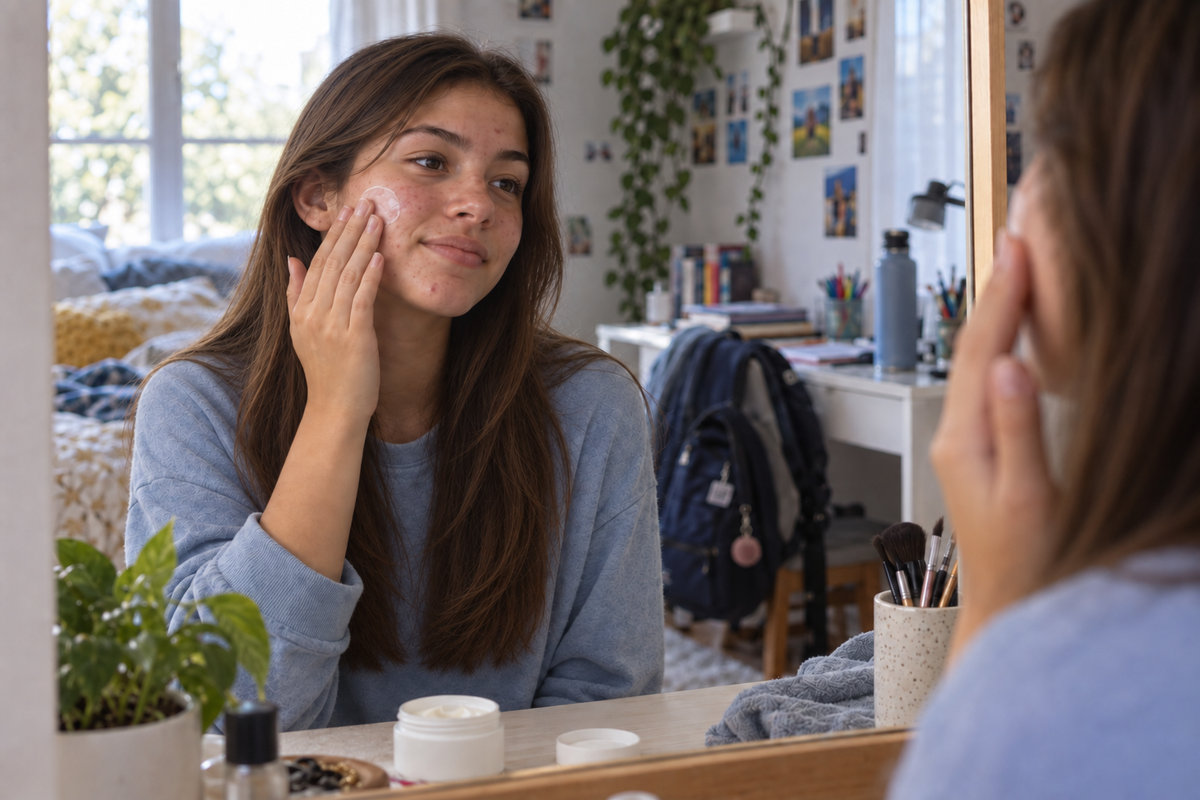
Teen Acne Treatment: A Back-to-School Guide for Teens and Parents
Back-to-school season brings new routines, busy schedules, sports, activities, and for many teens, more noticeable acne.
Teen acne is extremely common, but that does not mean it should be ignored. Breakouts can range from occasional blackheads and pimples to deeper, painful acne that may leave lasting marks or scars. The right teen acne treatment depends on the type and severity of acne, as well as each person’s skin.
For teens and parents, the start of the school year is a good time to review skincare habits, understand what may be contributing to breakouts, and know when professional treatment may be helpful.
What Causes Teen Acne?
Acne develops when pores become clogged with oil and dead skin cells. Hormonal changes during adolescence can increase oil production, which is one reason acne is so common during the teenage years.
Breakouts may appear on the:
- Face
- Forehead
- Chest
- Shoulders
- Upper back
Other factors can also contribute to acne or make existing breakouts more noticeable, including stress, certain hair or skincare products, friction from sports equipment, sweating, and picking at blemishes.
Acne is not simply caused by having dirty skin. In fact, washing too often or scrubbing aggressively can irritate the skin and make acne more difficult to manage.
Build a Simple Teen Skincare Routine
One of the best places to start is with a basic routine that is easy to follow consistently.
For many teens, that may include:
- A gentle cleanser
- A non-comedogenic moisturizer
- Broad-spectrum SPF 30 or higher sunscreen
- An acne treatment when appropriate
Social media can make skincare routines seem complicated, but more products are not always better. Using several strong active ingredients at once can lead to dryness, redness, peeling, and irritation.
A simple routine is often easier to maintain during a busy school week.
What Over-the-Counter Acne Treatments Can Help?
Some mild cases of teen acne may improve with over-the-counter products.
Common acne-fighting ingredients include:
Benzoyl Peroxide
Benzoyl peroxide can help reduce acne-causing bacteria and inflammation. It is commonly used for red, inflamed pimples.
It can also cause dryness or irritation, especially when first introduced. Benzoyl peroxide may bleach towels, pillowcases, and clothing, so use it carefully.
Salicylic Acid
Salicylic acid can help unclog pores and may be useful for blackheads, whiteheads, and mild acne.
As with any active ingredient, using too much can irritate the skin. Follow product directions and avoid combining several strong acne treatments without professional guidance.
Consistency is important. Acne treatment often takes several weeks before noticeable improvement occurs, so switching products every few days can make it difficult to tell what is actually helping.
Sports, Sweat, and Back-to-School Breakouts
Fall sports and after-school activities can create additional challenges for acne-prone skin.
Helmets, chin straps, shoulder pads, backpacks, and tight athletic clothing can create heat and friction against the skin. Sweat and oil may also collect underneath equipment or clothing.
Teens can help reduce irritation by:
- Showering after practices and workouts when possible
- Changing out of sweaty clothing
- Washing athletic gear regularly
- Cleaning equipment that touches the face or skin
- Avoiding tight or abrasive clothing when possible
This is especially important for teens who experience acne on the back, chest, or shoulders.
Avoid Picking or Popping Pimples
Picking at acne can make inflammation worse and increase the chance of scars or dark marks.
It can be especially tempting before picture day, dances, games, or other school events, but squeezing a blemish usually does more harm than good.
Instead, follow a consistent treatment routine and allow the skin time to heal.
If a teen is developing deep, painful acne or scarring, that is a good reason to consider professional treatment rather than continuing to experiment with over-the-counter products.
What Parents Should Know About Teen Acne
Acne can affect more than the skin.
For some teens, persistent breakouts may affect confidence, social comfort, or willingness to participate in school activities. Parents should take those concerns seriously and avoid framing acne as a hygiene problem.
Helpful support may include:
- Keeping skincare routines simple
- Helping teens choose age-appropriate products
- Avoiding criticism or frequent comments about breakouts
- Watching for signs of scarring
- Scheduling a dermatology appointment when acne is not improving
Parents can also help teens avoid viral skincare trends that involve harsh exfoliation, unnecessary anti-aging products, or multiple strong ingredients.
When Should a Teen See a Dermatologist for Acne?
Over-the-counter treatment may be enough for mild acne, but some teens benefit from seeing a board-certified dermatologist.
Consider scheduling an appointment when acne:
- Is painful, deep, or widespread
- Is leaving scars or persistent dark marks
- Does not improve with consistent over-the-counter treatment
- Affects the chest, shoulders, or back
- Continues to worsen
- Causes significant embarrassment or affects confidence
- Becomes difficult to manage without dryness or irritation
A dermatologist can determine the type of acne and recommend treatment based on the individual patient.
Prescription acne treatment may include topical medications, oral medications, or a combination of therapies. No single treatment works for everyone, which is why professional evaluation can be helpful when acne becomes persistent or severe.
Teen Acne Treatment in Rochester, MI
The beginning of the school year is a good time to establish healthy skincare habits, but teens do not have to manage persistent acne on their own.
If your teen is dealing with frequent breakouts, painful acne, or early signs of scarring, Stutz Dermatology can provide a professional evaluation. Dr. Joseph Stutz, a board-certified dermatologist serving Rochester and surrounding Michigan communities, can help determine which acne treatment options may be appropriate for your teen’s skin.
A consistent routine and the right treatment plan can make acne easier to manage throughout the school year and beyond.
Important Medical Disclaimer
This article is for educational purposes only and not a substitute for professional medical advice. The information provided should not be used for diagnosis or treatment of any medical condition. Please consult with a qualified healthcare provider for personalized medical advice and treatment options specific to your situation.

Dr. Joseph Stutz
Board-Certified Dermatologist
Board-certified dermatologist providing medical and cosmetic dermatology care to patients in Rochester, Michigan.
Related Articles
Learn about acne, eczema, psoriasis, and other common skin conditions, including their symptoms, causes, and when to seek professional help.

A guide to preparing for your dermatology appointment, what happens during the visit, and how to make the most of your time with the dermatologist.